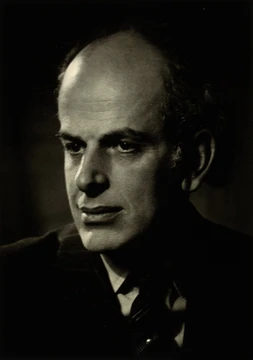
Li Shizhen
Ming dynasty physician who authored the Compendium of Materia Medica.

- field
- Acupuncture, herbalism, pharmacology, medicine
- nationality
- Chinese (Ming dynasty)
- known_for
- Compendium of Materia Medica (Bencao Gangmu)
Lore & Background
As a child, he suffered from an eye disease supposedly caused by overconsumption of peppercorn seeds. His grandfather was a traveling doctor of low social standing, and his father was a traditional physician and scholar who encouraged Li to seek a government position. Li took the national civil service exam three times, failed each time, and then turned to medicine. At age 78, his father took him on as an apprentice. When he was 38 and a practicing physician, he cured the son of the Prince of Chu and was invited to be an official there.
Reader's Guide
Li Shizhen's significance lies in his monumental work, the Compendium of Materia Medica, which took 27 years to write, including three revisions. It organized herbs by animal, mineral, and plant categories, further subdivided by source or habitat. The treatise also covered botany, zoology, mineralogy, and metallurgy. The book has been translated into several languages, and five original editions still exist. Li died before the book was officially published, and the Ming emperor at the time paid it little regard. Despite this, the Compendium became a foundational text in traditional Chinese medicine and pharmacology.
Did You Know?
- Li Shizhen wrote eleven other books besides the Compendium of Materia Medica, including Binhu Maixue and Qijing Bamai Kao.
- Only five original editions of the Compendium still exist; a seventh copy in Berlin was destroyed during World War II.
More in Pioneers Of Modern Medicine 1-19
Spotted an error? Know more?
This is a living reference — every entry is fact-audited, and reader corrections feed straight into our audit queue. Suggest an edit · See this site's audit record