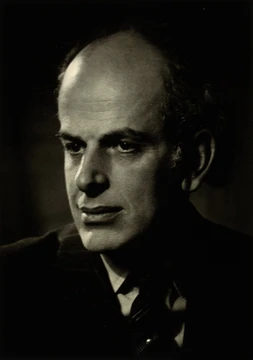
Ignaz Semmelweis
Hungarian obstetrician who proved hand washing reduces childbed fever.

Ignaz Semmelweis was a Hungarian obstetrician who began assisting Johann Klein at Vienna General Hospital's first two maternity clinics in 1846. He became concerned with the number of women dying from a febrile illness called puerperal fever, colloquially referred to as 'childbed fever.' Childbed fever often occurred in the first few days after giving birth, causing fever, intense abdominal pains, profound weakness, and ultimately death for many who acquired it. In the 1840s, an expectant mother entering a maternity ward had a 10-20% chance of dying from this illness, with some areas in Europe reporting death rates as high as 30%.
- died
- 13 August 1865
- field
- Medicine, obstetrics
- nationality
- Hungarian
- known_for
- Pioneering antiseptic hand washing to prevent puerperal fever
Verified Timeline
Lore & Background
In 1846, Ignaz Semmelweis began assisting Johann Klein at Vienna General Hospital's two maternity clinics. One clinic was run by physicians and medical students, the other by midwives. Semmelweis noticed the midwife clinic had a significantly lower mortality rate. He studied both clinics in great detail but concluded the same procedures and practices were used. The first clue came in 1847 when his friend Jakob Kolletschka died after performing an autopsy with a cut on his hand, sustaining similar symptoms and post-mortem pathology to the mothers who died of childbed fever. Medical students performed autopsies prior to delivering babies, but midwives only participated in labor and delivery care. Semmelweis made the connection that leftover pieces of a dead body could be transmitted via physician's hands into a live body and cause illness. He advocated for changing bedsheets and required a strict handwashing regimen using chlorinated water and brushes to remove cadaver particles from under fingernails. This decreased the death rate from 11.4% to 2.7%, and no mothers died in March or August of 1848 after the protocol was introduced. In 1860 he published a book titled *Etiology, the Concept, and the Prevention of Puerperal Fever*, but it was met with backlash from physicians who deemed it offensive.
Reader's Guide
Semmelweis's findings were rejected by the medical community, who considered themselves high status and therefore not dirty or carriers of disease. He did not live to see his findings contribute to the germ theory of disease. He became obsessed with speaking only about puerperal fever and developed Alzheimer's-type symptoms, leading to his placement in a mental institution in 1865. That same year, he died from sepsis after sustaining wounds at the asylum, believed to be from an attempted escape or beatings endured while detained. Roughly 14 years after his death, scientists began to support his ideas. After the germ theory was widely accepted, Semmelweis became a celebrated figure, known as 'The father of hand hygiene' and 'The savior of mothers,' with several hospitals and institutions named after him.
Did You Know?
- Semmelweis noticed the midwife-staffed clinic had a significantly lower mortality rate than the physician-staffed clinic, despite using the same procedures.
- His friend Jakob Kolletschka died after a scalpel cut during an autopsy, with symptoms matching those of childbed fever, which led Semmelweis to connect cadaver particles to disease transmission.
- After introducing handwashing with chlorinated water and brushes, the death rate at the physician-staffed clinic dropped from 11.4% to 2.7%.
- No mothers died in March or August of 1848 after the handwashing protocol was fully in place.
- Semmelweis died from sepsis in 1865 after sustaining wounds at a mental institution, and it took roughly 14 years after his death for scientists to support his ideas.
The Disparity That Sparked a Revolution
In 1846, Ignaz Semmelweis began assisting Johann Klein at Vienna General Hospital's first two maternity clinics. One clinic was run by physicians and medical students, the other by midwives. Semmelweis noticed the midwife clinic had a significantly lower mortality rate. He studied both clinics in great detail but concluded the same procedures and practices were used. The first clue came in 1847 when his friend Jakob Kolletschka died after performing an autopsy with a cut on his hand, sustaining similar symptoms and post-mortem pathology to the mothers who died of childbed fever. Medical students performed autopsies prior to delivering babies, but midwives only participated in labor and delivery care. Semmelweis made the connection that leftover pieces of a dead body could be transmitted via physician's hands into a live body and cause illness.
The Chlorine Solution
Semmelweis required a strict handwashing regimen at the clinic run by physicians and medical students using chlorinated water and brushes to remove any cadaver particles from under their fingernails. He also advocated for changing bedsheets. This decreased the death rate from 11.4% at the clinic to 2.7%. No mothers died in March or August in 1848 after the introduction of the handwashing protocol. In 1860 Semmelweis published a book titled *Etiology, the Concept, and the Prevention of Puerperal Fever*, but it was met with backlash from physicians. The medical community deemed it offensive since doctors considered themselves to be high status and were therefore not dirty or carriers of disease.
A Mind Unraveling
Semmelweis did not live to see his findings contribute to the germ theory of disease. He began to become obsessed with speaking only about puerperal fever and developed Alzheimer's-type symptoms which led to him being placed in a mental institution in 1865. That same year, he died from sepsis after sustaining wounds at the asylum. The wounds were believed to be from an attempted escape or caused by beatings or abuse he endured while detained. Roughly 14 years after his death, scientists began to support his ideas.
The Savior of Mothers
After the germ theory was widely accepted, Semmelweis became a celebrated figure with several hospitals and institutions named after him. He became known as 'The father of hand hygiene' and 'The savior of mothers.' His work is part of a broader wave of thinkers who challenged the miasma paradigm, including John Snow, who independently conceived of contagion by means other than noxious air, and Florence Nightingale, who greatly decreased the prevalence of infection by implementing better hygienic practices.
More in Pioneers Of Modern Medicine 1-19
Spotted an error? Know more?
This is a living reference — every entry is fact-audited, and reader corrections feed straight into our audit queue. Suggest an edit · See this site's audit record