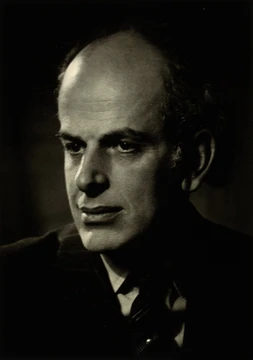
Ibn al-Nafis
Arab polymath who first described pulmonary circulation.

Ibn al-Nafis was an Arab polymath active in medicine, surgery, physiology, anatomy, biology, Islamic studies, jurisprudence, and philosophy. He is best known for being the first to describe the pulmonary circulation of the blood, a discovery that predated William Harvey's work by several centuries and challenged the long-standing theories of Galen.
- died
- in Cairo
- field
- medicine, surgery, physiology, anatomy, biology, Islamic studies, jurisprudence, philosophy
- nationality
- Arab
- known_for
- first to describe pulmonary circulation of the blood
Lore & Background
His nisba 'al-Qurashi' is debated: some say it derives from a village near Damascus, but most biographers hold it indicates tribal descent from the Quraysh, specifically the Banu Makhzum clan. He studied theology, philosophy, and literature early in life, then at age 16 began over ten years of medical study at the Nuri Hospital in Damascus, founded by Nur-al Din Mahmud ibn Zanki. He was a contemporary of the physician Ibn Abi Usaibia, who notably omitted Ibn al-Nafis from his biographical dictionary, possibly due to personal animosity or rivalry. He taught medicine and jurisprudence, counting the Christian physician Ibn al-Quff among his students. He later served as personal physician to Sultan Baibars and other political leaders. In his later years, likely in his 70s, he was appointed chief physician of the newly founded al-Mansori Hospital, where he worked until his death in Cairo after a short illness. He donated his house and library to the Mansuriya Hospital (al-Mansori Hospital).
Reader's Guide
Ibn al-Nafis's significance lies in his challenge to Galenic physiology, particularly his discovery of pulmonary circulation, which he described in his commentary on Avicenna's Canon, written when he was only 29. This work, Sharh Tashrih al-Qanun, is notable for its confident language and boldness in questioning established authorities like Galen and Avicenna. He also performed human dissections and gave early insights into coronary and capillary circulations. His legacy includes being called 'the father of circulatory physiology' and 'the second Avicenna' by some. His commentaries on Hippocrates' Nature of Man and Endemics provide insight into medical education and epidemiology, including an outbreak map of malnutrition in Damascus that anticipated methods used by John Snow centuries later.
Did You Know?
- He performed human dissections and gave early insights into coronary and capillary circulations.
- He donated his house and library to the Mansuriya Hospital (al-Mansori Hospital) prior to his death.
More in Pioneers Of Modern Medicine 1-19
Spotted an error? Know more?
This is a living reference — every entry is fact-audited, and reader corrections feed straight into our audit queue. Suggest an edit · See this site's audit record